Save resources, reduce waste, and lower energy consumption.
3 min read
Skinperium redefines sustainable design by prioritising a zero-waste approach at every stage of the project. Combining resource efficiency with careful planning, the project focuses on reducing material use, minimising waste, and integrating circular economy principles to create a space that is both functional and environmentally responsible.
In collaboration with Dr Christine Dierickx, the team set out with a clear vision: to design a space that adhered to the principles of zero waste. Sustainability was seen not merely as recycling but as a fundamental reduction in the use of finite raw materials. The mission was straightforward: save resources, lower energy consumption, and reduce construction waste.
The project emerged from awareness of the significant waste generated on construction sites, where up to 30% of building materials are often discarded. The environmental impact of this waste, combined with the urgent need for sustainable practices, motivated the team to develop a pioneering zero-waste approach.
Zero-Waste Methodology
The team adopted a comprehensive zero-waste methodology that included precise material planning to reduce excess, reuse of materials wherever possible, and partnerships with suppliers committed to sustainable practices. Every material, from packaging to installations, was tracked and managed to ensure minimal waste. The majority of materials, totalling 30,427 kilograms, were fully utilised and distributed across various components of the project.
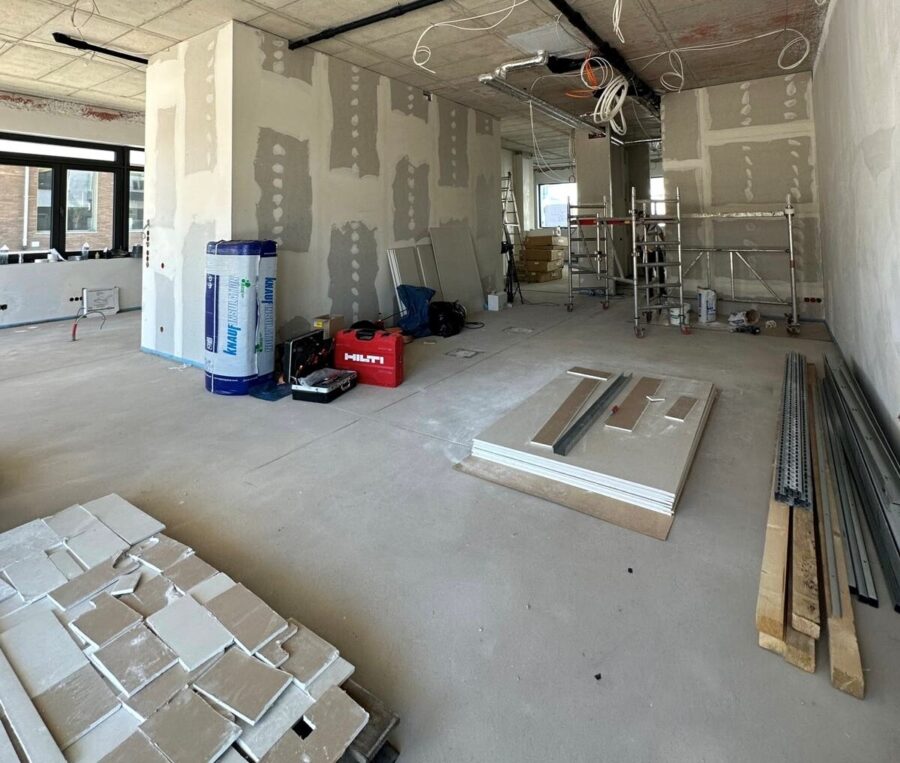
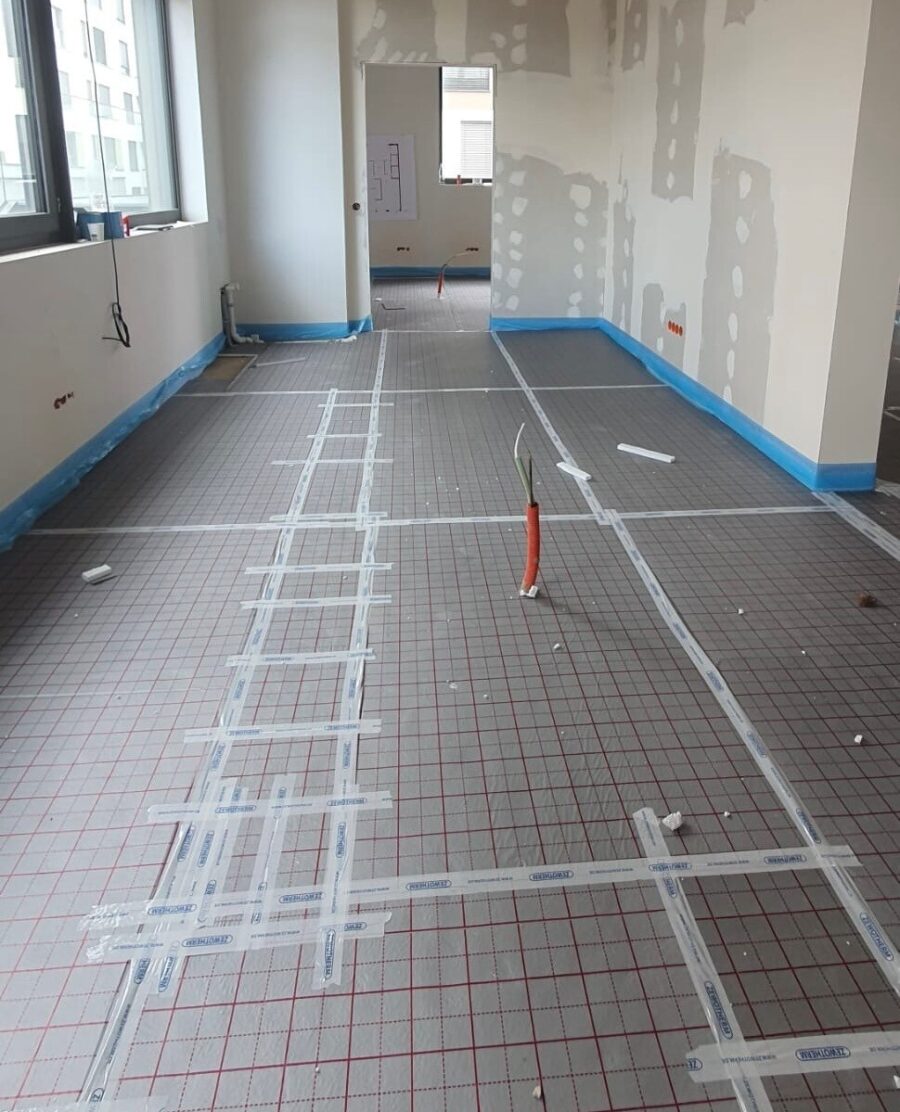
Starting with a nearly completed building shell, the focus was on interior work, with every decision guided by the goal of minimising material use while maintaining functionality and aesthetic quality. Each material was analysed from procurement to its end-of-life potential to ensure nothing was wasted.
Sustainable Strategies and Processes
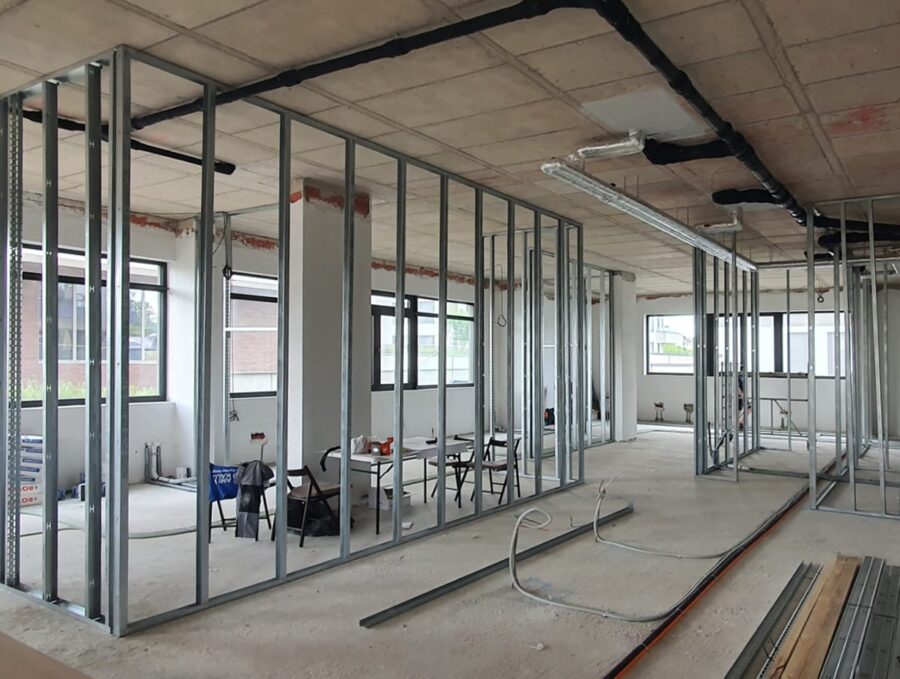
Daily waste tracking ensured accountability, with all waste separated and recorded. The project partnered exclusively with suppliers and contractors who actively minimised waste during production and delivery. Material optimisation played a key role. Previously tested methods, such as raised floors, were refined to further reduce waste during installation. Furniture joinery was designed to prevent waste during production, while recyclable materials were reintegrated into circular processes wherever possible. A critical factor in the project’s success was supplier and contractor selection. Companies were chosen based on their commitment to waste reduction. This included the joinery responsible for producing furniture, which avoided waste both during manufacture and delivery through the use of reusable and minimal packaging. Rigorous site management reinforced these efforts. Packaging materials and other waste were collected and separated daily for recycling or reuse. This ongoing practice maintained an orderly construction site and allowed progress toward the zero-waste goal to be closely monitored.
Photography Cover © Steve Troes