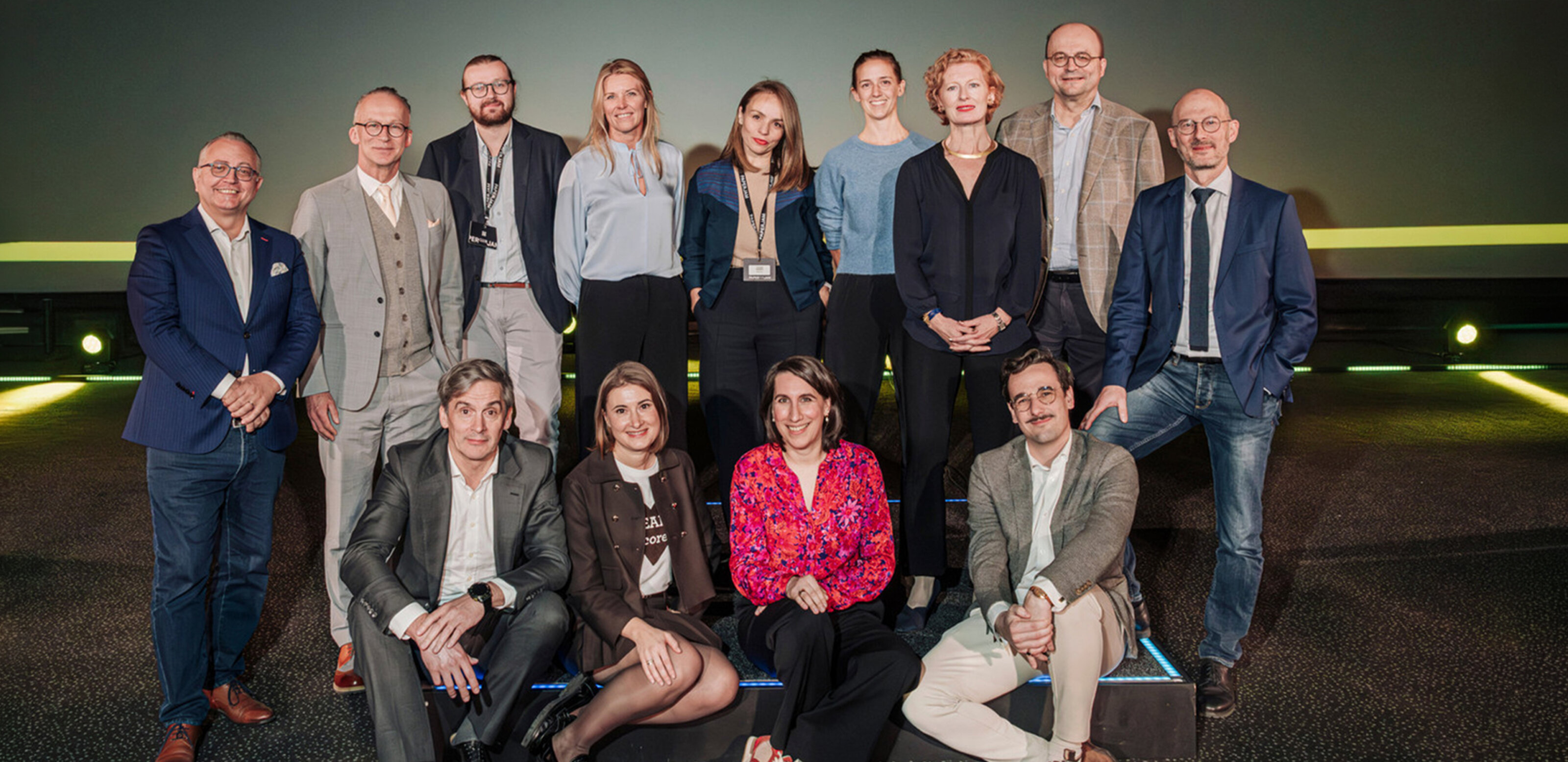
For sustainability to be powerful, it has to be real.
3 min read
At Paperjam 10x6: The Power of Sustainability, companies from sectors including tobacco, finance, steel, catering, architecture, energy, and technology demonstrated that sustainability is more than a slogan. It is a tangible, sometimes paradoxical practice shaped by data, strategic choices, practical limits, and bold decisions.
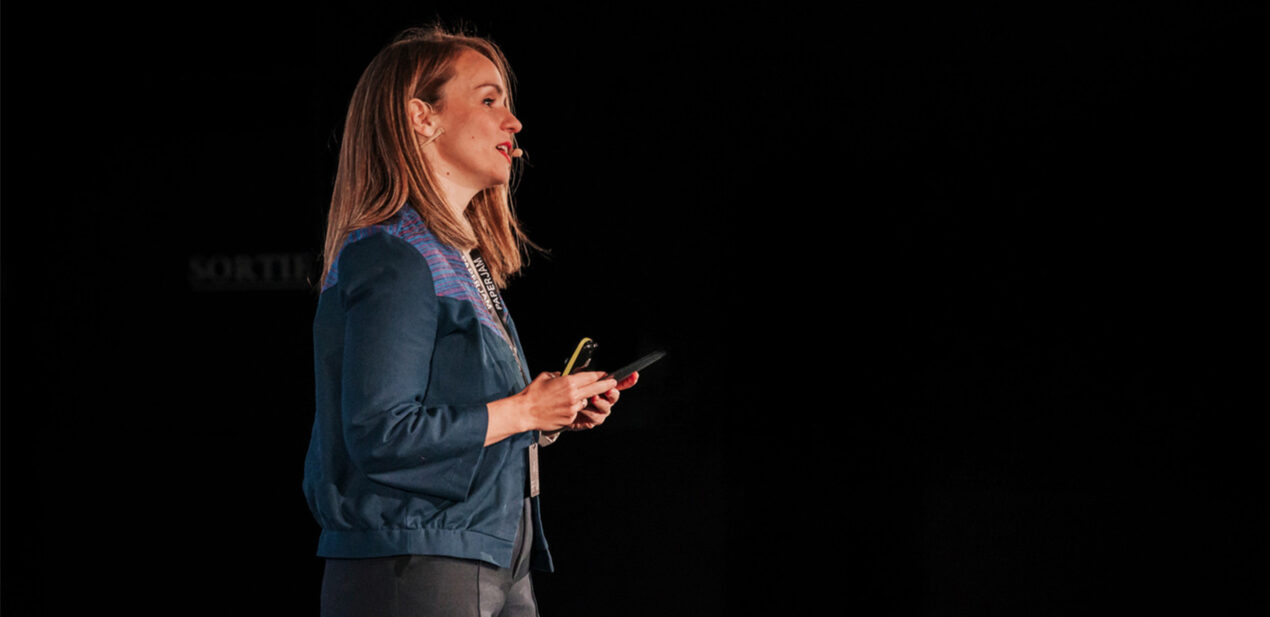
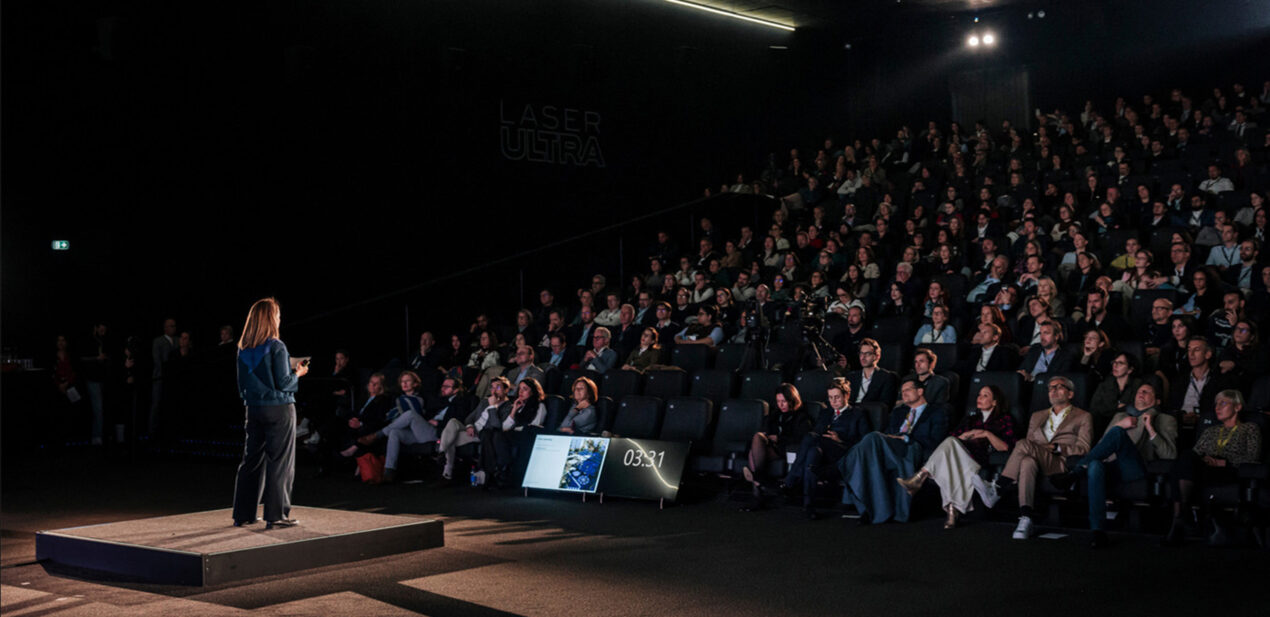
Ljiljana Vidovic, our Architect, Senior Associate, and Head of Conceptual Design, represented Metaform at the event, sharing insights on how the architecture industry can embed sustainability into real-world projects.
The message was clear: Sustainability isn’t a look — it’s a responsibility. Our industry cannot rely on green imagery, labels or gadgets. Real impact happens in how we plan, design, build, reuse, and let buildings evolve.
It’s clear that sustainability goes beyond marketing or aesthetics. While the term is everywhere, it has sometimes become more of an image than a mindset. With 39% of global CO₂ emissions coming from the building and construction industry, architects hold significant responsibility to reduce this impact. Labels and certifications alone, such as LEED Platinum, do not guarantee performance, and “smart” cities without community engagement risk becoming ghost towns. Real sustainability requires life, activity, and humanity.
Creating Real Impact in Urban Planning and Design
Urban planning is one of the most powerful tools for sustainability. Strategies such as density, walkability, mixed uses, and efficient public transportation can drastically reduce pollution. The Barcelona superblock model illustrates how prioritising people over cars can make streets calmer, more liveable, and healthier.
Landscape design can transform industrial sites into green infrastructure, while the construction process itself offers opportunities for reuse, minimalism, and reducing unnecessary materials. Smart reuse strategies help reduce waste, lower energy consumption, and extend the life of buildings.
Metaform applies these principles across projects such as Um Bock, Skinperium, Pharmacy Marx, and the ongoing Epernay 18. This project emphasizes reuse, zero-waste, resource awareness, and low-tech solutions, creating a building that performs through design rather than machinery.
“True sustainability is the lifespan of a building — its capacity to transform, to adapt, to evolve. To build to last is to build to change.”
Designing for adaptability ensures that future generations can repurpose buildings rather than demolish them, creating long-term value for people and cities. Of course, not all strategies apply to every project, and flexibility is essential. What works for one building may not work for another.
If we want sustainability to have real impact, it must be genuine, grounded in design intelligence, and focused on long-term value. The Paperjam 10x6 presentation concluded on this note: For sustainability to be powerful, it has to be real.
We would like to thank Paperjam Club for inviting Metaform and giving us the possibility to be part of a group of speakers whose perspectives truly broadened the conversation: Joost van Oorschot, Sigridur Torfadottir, William Meyer, Clémentine Venck, Tom Wirion, Julie Schadeck, Paul Zens, Sebastien Wiertz, Jane Feehan.
Read the full article about the event here.
Photography © Julian Pierrot / Paperjam